
Your first ikWik delivery request: what to prepare before you begin
You do not need to know delivery terminology to make a thoughtful first request. You need a clear picture of what you want to send, who is expecting it, and what would make the arrangement workable for both of you. Getting those basics straight can save a surprising amount of back-and-forth later.
Perhaps you are returning a borrowed book, sending clothes to a relative, or moving an everyday item you left with a friend. Whatever the reason, start with the purpose. A delivery is useful when it solves a real problem without creating a new one for the person receiving it.
Begin with one ordinary sentence
Before opening a form, try describing your plan aloud: “I want to send these two books from my home to my cousin, who can receive them next week.” That sentence gives you a starting point. It names the contents, the two people involved, and the broad timing without assuming that a suitable delivery arrangement exists yet.
If you cannot finish the sentence, there is probably a small question to settle first. Perhaps your cousin has moved, or you are unsure which books they meant. Resolve that uncertainty while changing your plan is still easy. A request built on clear information is easier for everyone to understand.
Keep the purpose modest and concrete. You are gathering what you need to assess an option. You do not have to promise the receiver that the parcel is already on its way or choose an arrival time before you have checked what is possible.
Ask the receiver what would actually help
The intended destination may seem obvious to you and still be inconvenient for the receiver. Someone who works away from home might prefer a different arrangement. Someone caring for a family member might have little freedom to travel. A short conversation can reveal a practical constraint that an address alone never would.
Ask whether they want the item now, which location makes sense, and when they are realistically available. Confirm their name and the contact details needed for the request directly with them. If someone else helped organise the parcel, check that the information is current rather than copying an old message.
This also gives the receiver room to say that another week would be easier. That answer is useful. It can turn a hurried plan into a manageable one and prevent a well-meant favour from becoming an unexpected task for someone else.
Get the facts about the actual parcel
Base your request on the item you will send, rather than the item as you remember it. Put everything intended for this delivery together so you can describe the contents accurately. Know what is inside. Do not make a request for an unknown parcel on someone else’s assurance that it is “just personal things”.
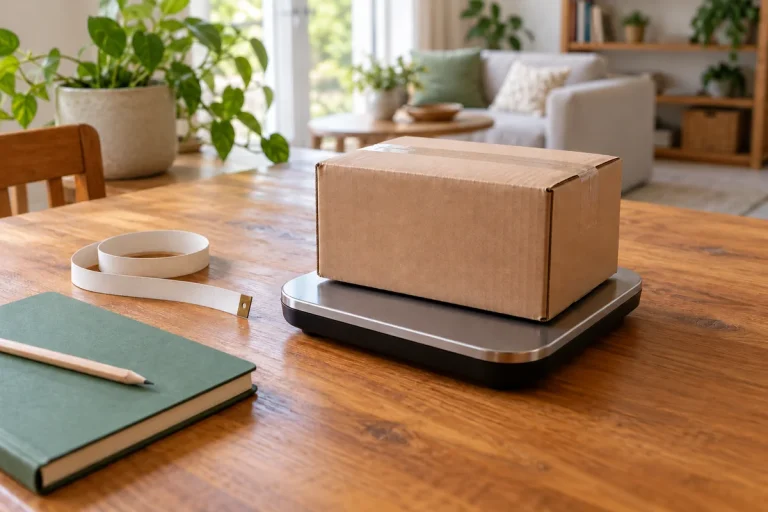
Have the parcel’s actual size and weight available before relying on an arrangement. A small object in a large package can require more space than expected. If you add another item later, check the details again. The description should refer to the final parcel, not an earlier version of it.
Check that the contents are permitted before proceeding. Unlawful, dangerous, prohibited, or restricted goods do not belong in an improvised delivery arrangement. If you cannot establish whether an item is acceptable, pause and ask through the appropriate official channel. Guessing is a poor foundation for a first request.
For the practical preparation that follows this decision, the guide to preparing a parcel request and handover covers the next stage. At this point, your goal is simply to have a truthful, usable description.
Separate a preference from a condition
Some parts of your plan are flexible. Others determine whether sending makes sense at all. A preferred day might be negotiable; an item needed for a specific event might have a firm usefulness limit. Writing down the difference makes it easier to assess an option without feeling pushed to accept it.
Think about effort as well as timing. How far can you reasonably travel for the arrangement? Can the receiver do the same? Would either person need to rearrange work or ask someone for help? These are personal planning questions, and an honest answer is more useful than an optimistic one.
For example, imagine that you want to return a friend’s jumper. There is no immediate deadline, but neither of you can leave work during the afternoon. In that hypothetical situation, flexibility about the day matters less than finding an arrangement compatible with your actual availability. The best fit begins with the constraint you really have.
Leave room to review the option
ikWik is a technology platform for coordinating parcel delivery. Preparing a request helps describe your need; it does not establish that a compatible carrier or journey will be available. Keep your plans provisional until the relevant details and status are clear.
Review the arrangement you are actually shown. Do the locations, parcel details, and timing fit the information you gathered? If a quote is presented, consider the displayed amount for that request. Do not assume that an amount remembered from another parcel, another person, or an old article applies to yours.
You should also be comfortable with the practical effort involved. A plan can look convenient at first and become difficult once you include both people’s availability. It is reasonable to step back when essential details remain unresolved. Preparing carefully gives you a basis for that decision.
Make a short note you can trust
You do not need a complicated checklist. Keep a private note with the contents, actual parcel dimensions and weight, origin and destination, the receiver’s confirmed details, and your essential constraints. Mark anything you still need to check rather than filling the gap with a guess.
Use that note to catch inconsistencies before continuing. Has the receiver changed location? Has the parcel grown since you first described it? Are you treating a preferred date as if it were confirmed? A two-minute review can prevent several different versions of the plan circulating between people.
Once your request is ready, the parcel preparation and safer handover checklist can help you prepare for the physical stage without overlooking the basics.
A good first step is a clear one
Your first request does not need to be perfect. It needs to be accurate, realistic, and understood by the person receiving the parcel. Start with those foundations, leave room for questions, and judge the available arrangement on its own details. When you are ready to take that next step, Explore ikWik.